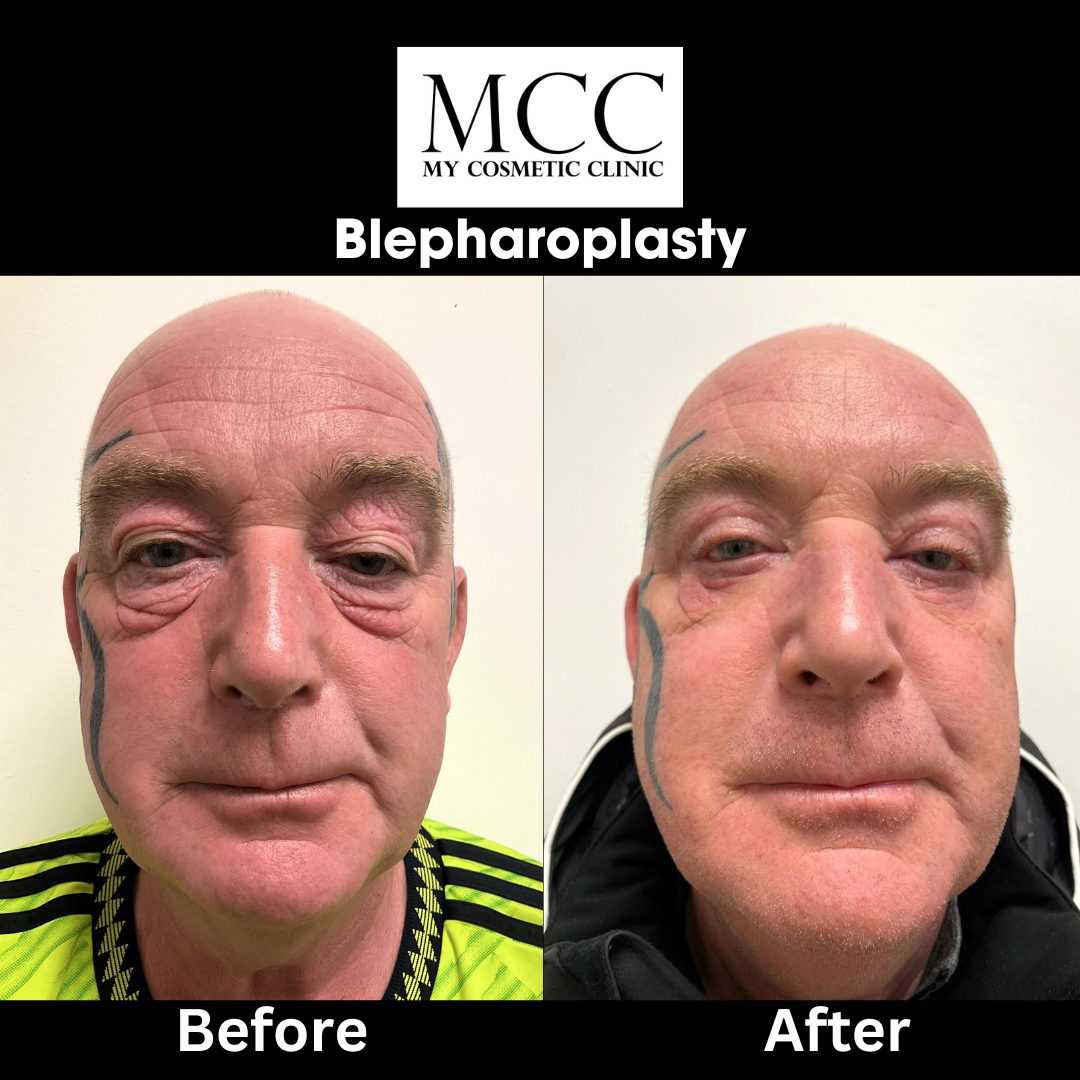
Eyelid Reduction (Blepharoplasty)
What is Eyelid Reduction?
Eyelid reduction surgery, medically known as blepharoplasty, is a cosmetic surgical procedure that aims to rejuvenate the appearance of the eyes by addressing issues related to excess skin, muscle, or fat in the eyelid area. It is designed to enhance the overall look of the eyes and provide a more refreshed and youthful appearance.
During blepharoplasty, a skilled plastic surgeon makes precise incisions in the eyelid area, strategically removing excess skin and fat as needed. The procedure can be performed on both the upper and lower eyelids, depending on the individual’s specific concerns and goals.
Here’s a breakdown of how eyelid reduction surgery works:
1. Upper Eyelids: Excess skin on the upper eyelids can be removed to address sagging or drooping, which can create a more alert and youthful appearance.
2. Lower Eyelids: Baggy or puffy lower eyelids caused by excess fat can be corrected by removing or repositioning the fat deposits, resulting in a smoother and more youthful lower eyelid contour.
The procedure is typically performed under local anesthesia, and incisions are carefully placed to minimize visible scarring. Recovery times may vary, but most patients can return to their normal activities within one to two weeks. Full results may take several weeks to become fully apparent.
Blepharoplasty is a highly customizable procedure, and the specific techniques used will depend on the patient’s unique facial anatomy and desired outcome. It is often performed as a standalone procedure or in combination with other facial rejuvenation procedures for a comprehensive facial makeover. The goal of eyelid reduction surgery is to achieve a natural and harmonious enhancement of the eyes, helping individuals look and feel more refreshed and confident.


Frequently Asked Questions (FAQs) about Eyelid Reduction (Blepharoplasty) Surgery:
What is eyelid reduction surgery (blepharoplasty)?
Eyelid reduction surgery, or blepharoplasty, is a cosmetic procedure that aims to rejuvenate the appearance of the eyes by addressing issues such as excess skin, muscle, or fat in the eyelid area.
Who is a suitable candidate for eyelid reduction surgery?
Ideal candidates for blepharoplasty are individuals with concerns like excess skin on the upper eyelids, baggy lower eyelids, vision-obstructing upper eyelid skin, or excess fat in the eyelids.
How is the blepharoplasty procedure performed?
During blepharoplasty, excess skin and fat are carefully removed through precise incisions in the eyelid area. The surgery can be performed on both upper and lower eyelids as needed.
Is blepharoplasty painful?
Patients may experience some discomfort and swelling after the procedure, but pain is typically well managed with prescribed medications.
What is the recovery time for blepharoplasty?
Recovery times can vary, but most patients can return to their normal activities within one to two weeks. Full results may take a few months to become fully apparent.
Are there any risks associated with blepharoplasty?
Like all surgeries, blepharoplasty carries potential risks, including infection, bleeding, scarring, and, in rare cases, unsatisfactory outcomes. Patients should discuss these risks with their surgeon.
Will blepharoplasty leave visible scars?
Surgeons take care to place incisions in discreet locations, minimizing visible scarring. Over time, scars tend to fade and become less noticeable.
How long do the results of blepharoplasty last?
While blepharoplasty provides long-lasting results, the natural aging process continues. Patients will still age, but they will generally maintain a more youthful eye appearance.
Can blepharoplasty be combined with other cosmetic procedures?
Yes, blepharoplasty can be combined with other facial procedures like facelifts or brow lifts to achieve a more comprehensive rejuvenation effect.
Is blepharoplasty covered by insurance?
Insurance typically does not cover blepharoplasty when it is performed for purely cosmetic reasons. However, if the procedure is deemed medically necessary due to vision obstruction, insurance may provide coverage.
TREATMENTS
Before & After
See the difference Eyelid reduction
has made for our clients