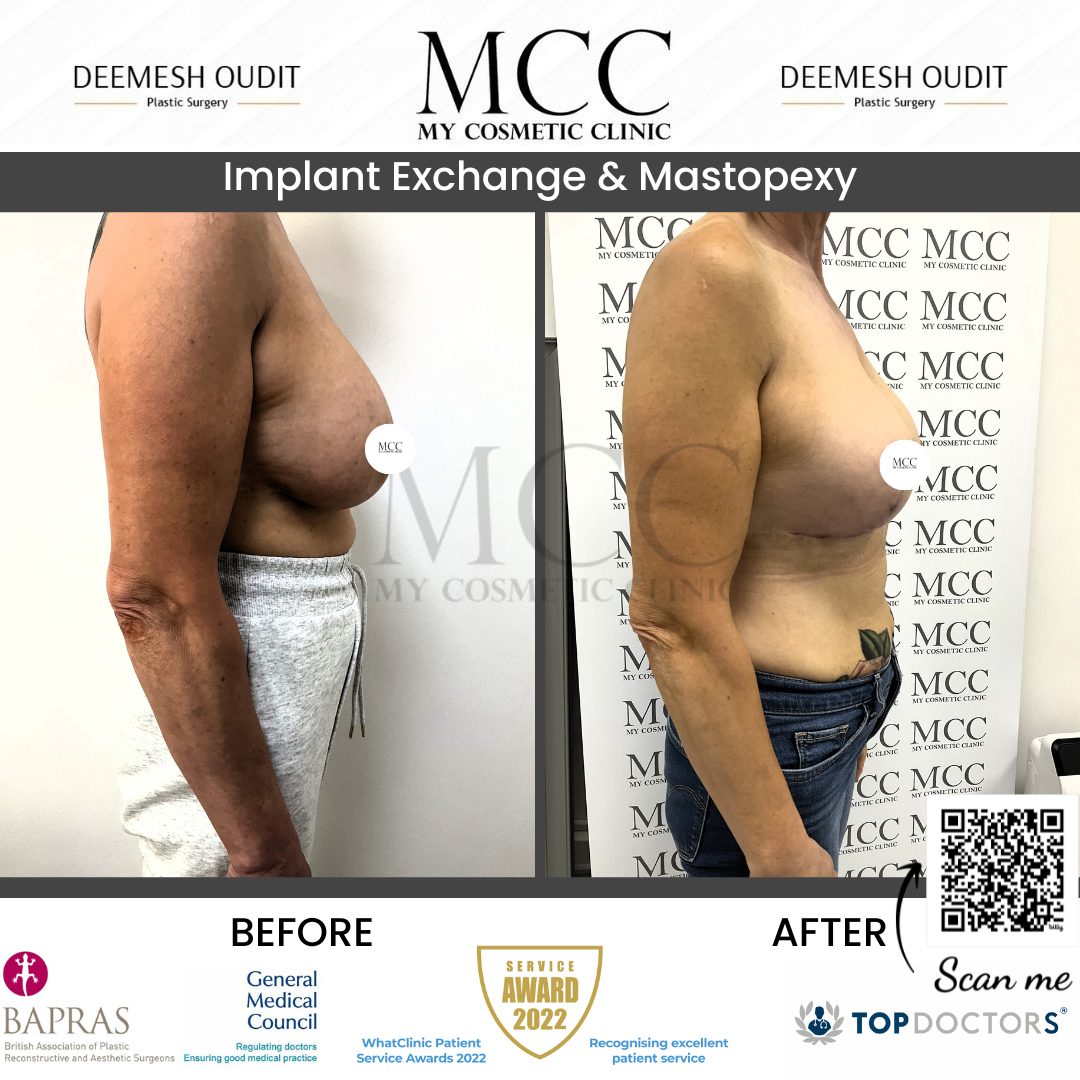
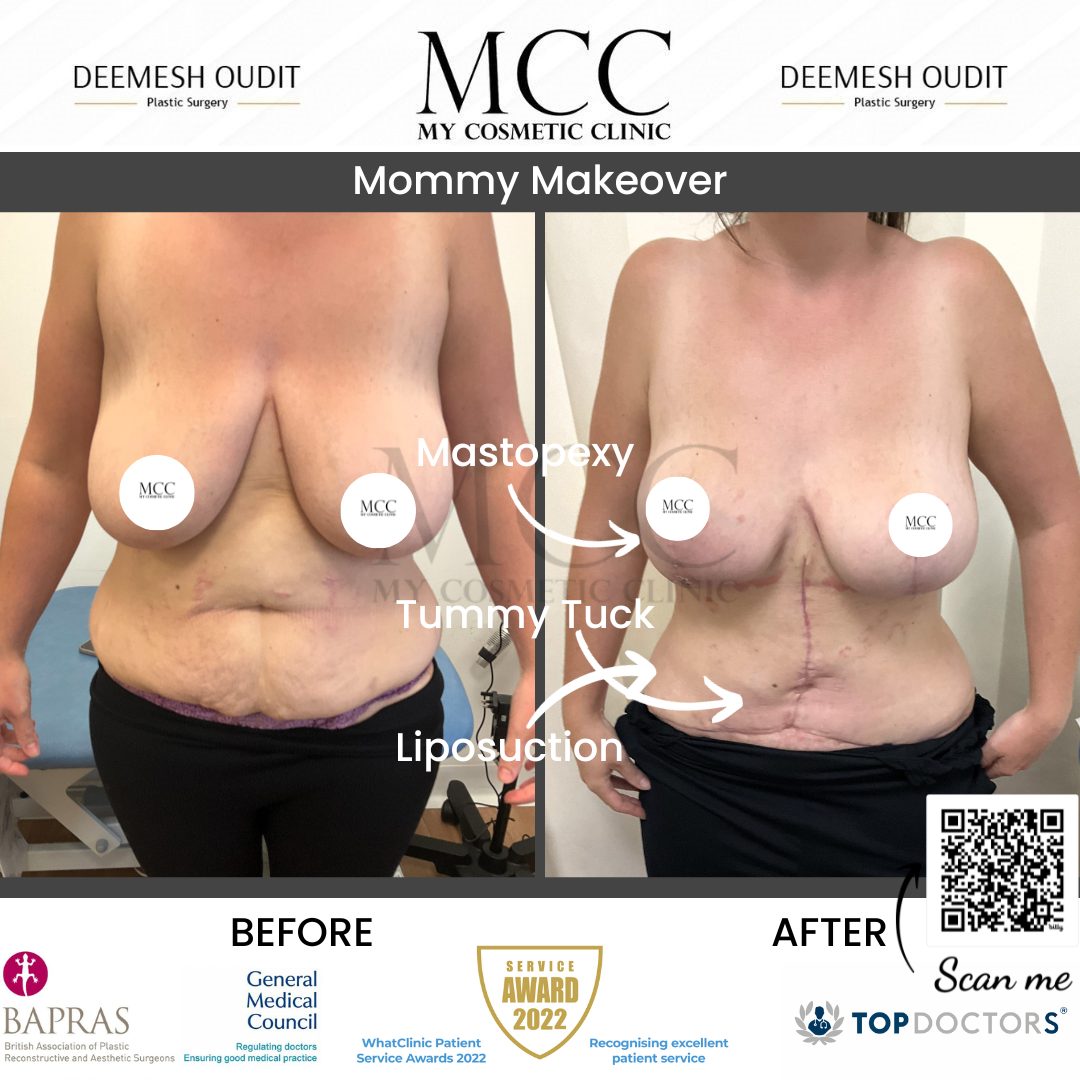
Breast Uplift (Mastopexy)
Addressing Breast Sagging: Understanding Mastopexy
Breast sagging, often referred to as “droopiness,” is a natural occurrence over time. Various factors, including pregnancy, breastfeeding, and weight loss, can accelerate this process. The fibrous structures that typically provide support to the breasts weaken, and as individuals age, the skin loses its elasticity. Consequently, the breast envelope enlarges while the volume of breast tissue remains constant, leading to a sagging appearance and downward-pointing nipples due to the effects of gravity.
Mastopexy, a surgical procedure, is aimed at rejuvenating the breast’s appearance by tightening the skin envelope and elevating the position of the nipple, resulting in a more youthful and “perky” breast shape.
In some cases, when the volume of breast tissue is insufficient, breast tightening may be combined with the insertion of an implant. While this is commonly performed during the same surgery, in certain situations, it may be divided into two separate procedures to achieve the desired outcome.
WHO WOULD BENEFIT FROM MASTOPEXY (BREAST LIFTS)
Women who have:
- Women who have saggy breasts
- Saggy breasts that are unlikely to be treatable with implants only

Frequently Asked Questions (FAQs) About Breast Uplift (Mastopexy):
What is breast uplift surgery, and how does it work?
Breast uplift, or mastopexy, is a surgical procedure designed to raise and reshape sagging breasts, giving them a more youthful and perky appearance.
Who is a suitable candidate for breast uplift surgery?
Candidates often include individuals with sagging breasts due to factors like aging, pregnancy, weight loss, or genetics, who desire improved breast contour and firmness.
Can breast uplift surgery change breast size or add volume?
Breast uplift primarily addresses breast sagging and reshaping. It does not significantly change breast size or add volume, but it can be combined with augmentation for those seeking both.
Is breast uplift surgery covered by insurance?
Typically, breast uplift surgery is considered a cosmetic procedure and is not covered by insurance. Exceptions may apply if it's done for medical reasons.
What are the different techniques used in breast uplift surgery?
Common techniques include the anchor or inverted-T incision, vertical incisions, or minimal-scar techniques, depending on the degree of sagging and individual goals.
Will there be visible scarring after breast uplift surgery?
Scarring is present but usually fades over time. Surgeons aim to place incisions discreetly.
Is breast uplift surgery painful?
Patients may experience discomfort, swelling, and bruising after surgery, but pain levels can vary. Pain management strategies are discussed during the consultation.
What is the recovery process like after breast uplift surgery?
Recovery times vary but often involve wearing a surgical bra, avoiding strenuous activities, and attending follow-up appointments. Most patients can return to work within a few weeks.
Can breast uplift surgery affect breastfeeding in the future?
Breast uplift may disrupt milk ducts, potentially impacting breastfeeding. Discuss this concern with your surgeon.
What are the potential complications or risks associated with breast uplift surgery?
Risks include infection, bleeding, changes in breast sensation, scarring issues, and anesthesia-related concerns. Consult your surgeon about these risks.
Can breast uplift improve posture and reduce back pain?
Breast uplift surgery can improve posture and alleviate back pain associated with breast sagging.
Can breast uplift be combined with other procedures, such as breast augmentation or reduction?
Yes, breast uplift can be combined with other procedures to achieve comprehensive breast enhancement and address multiple concerns.
TREATMENTS
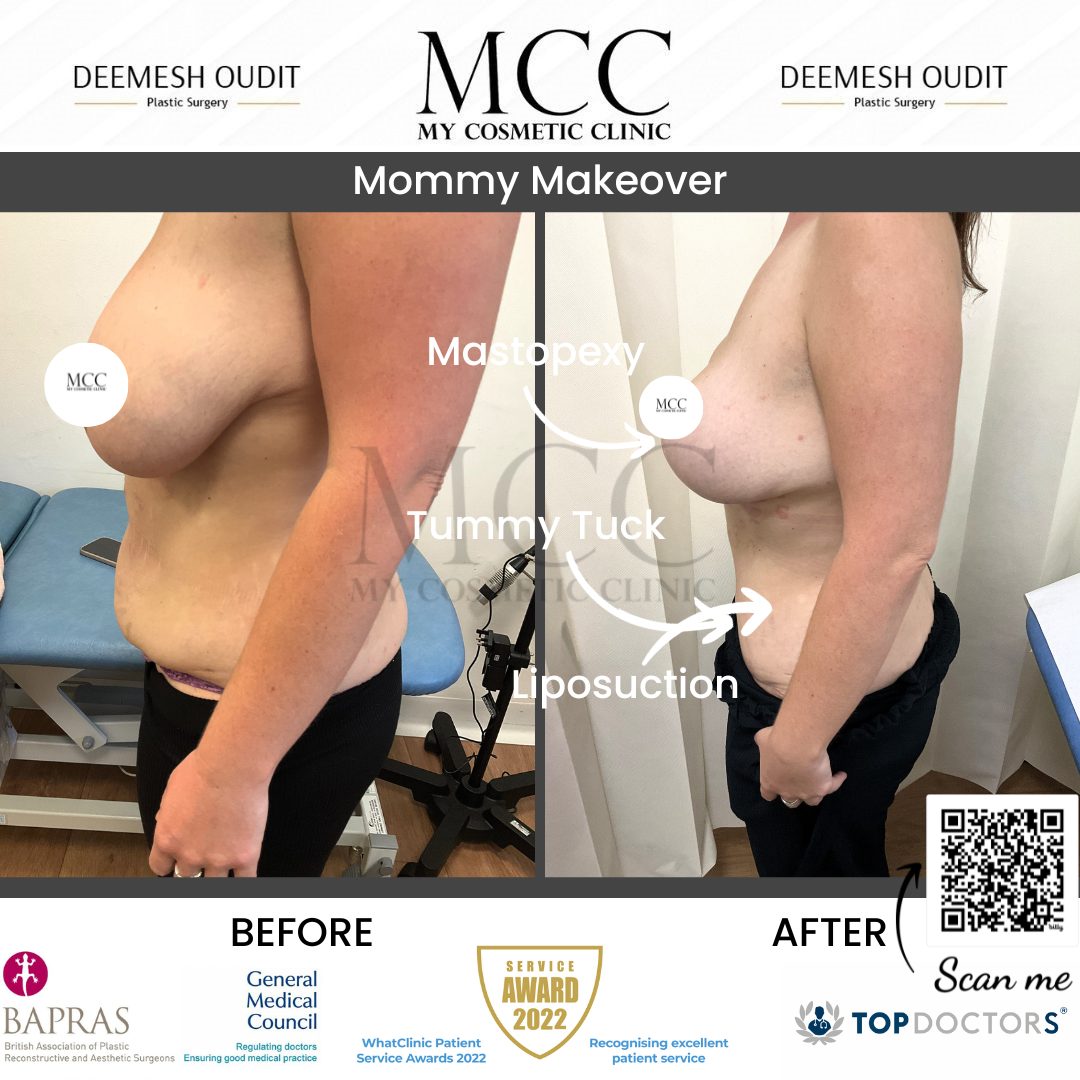
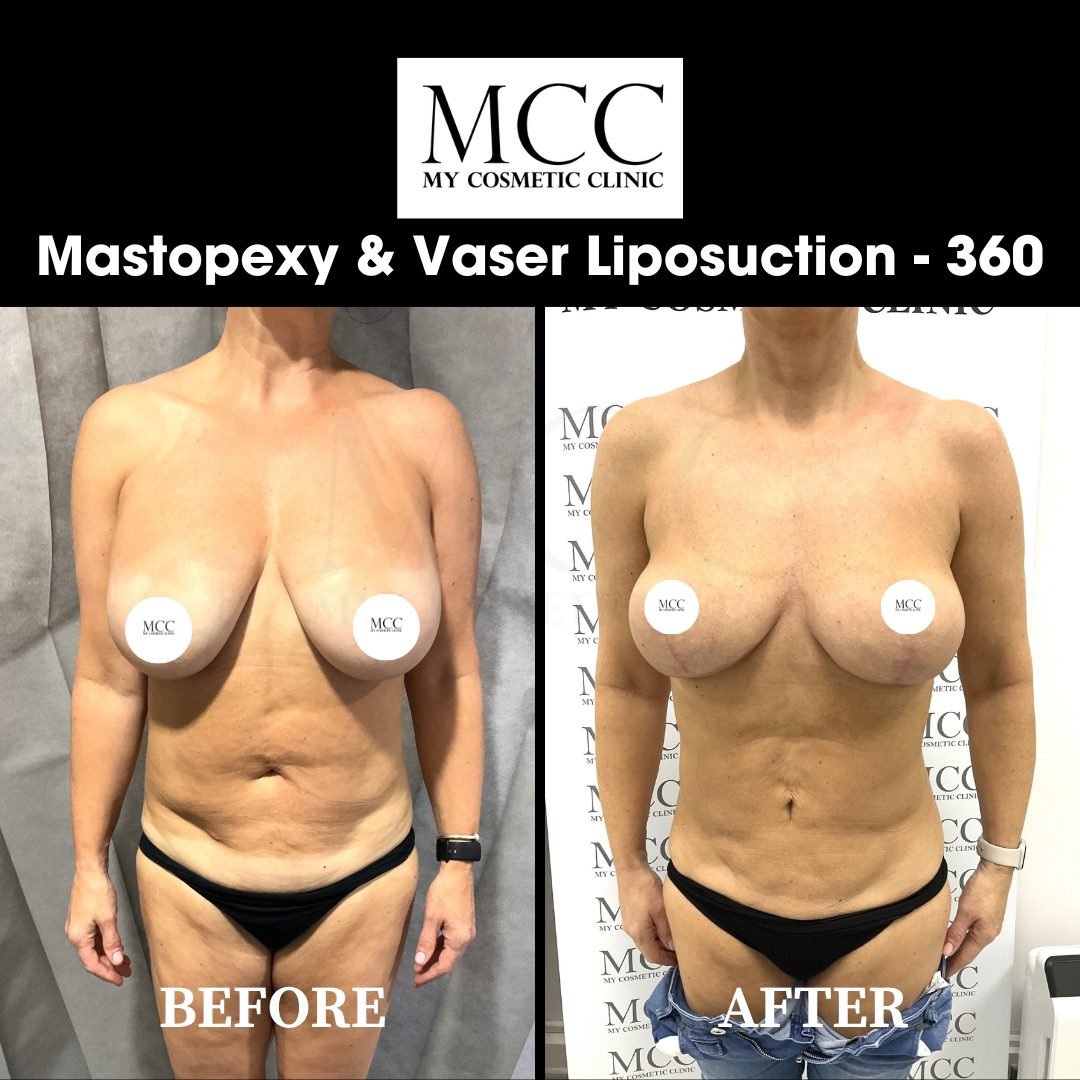
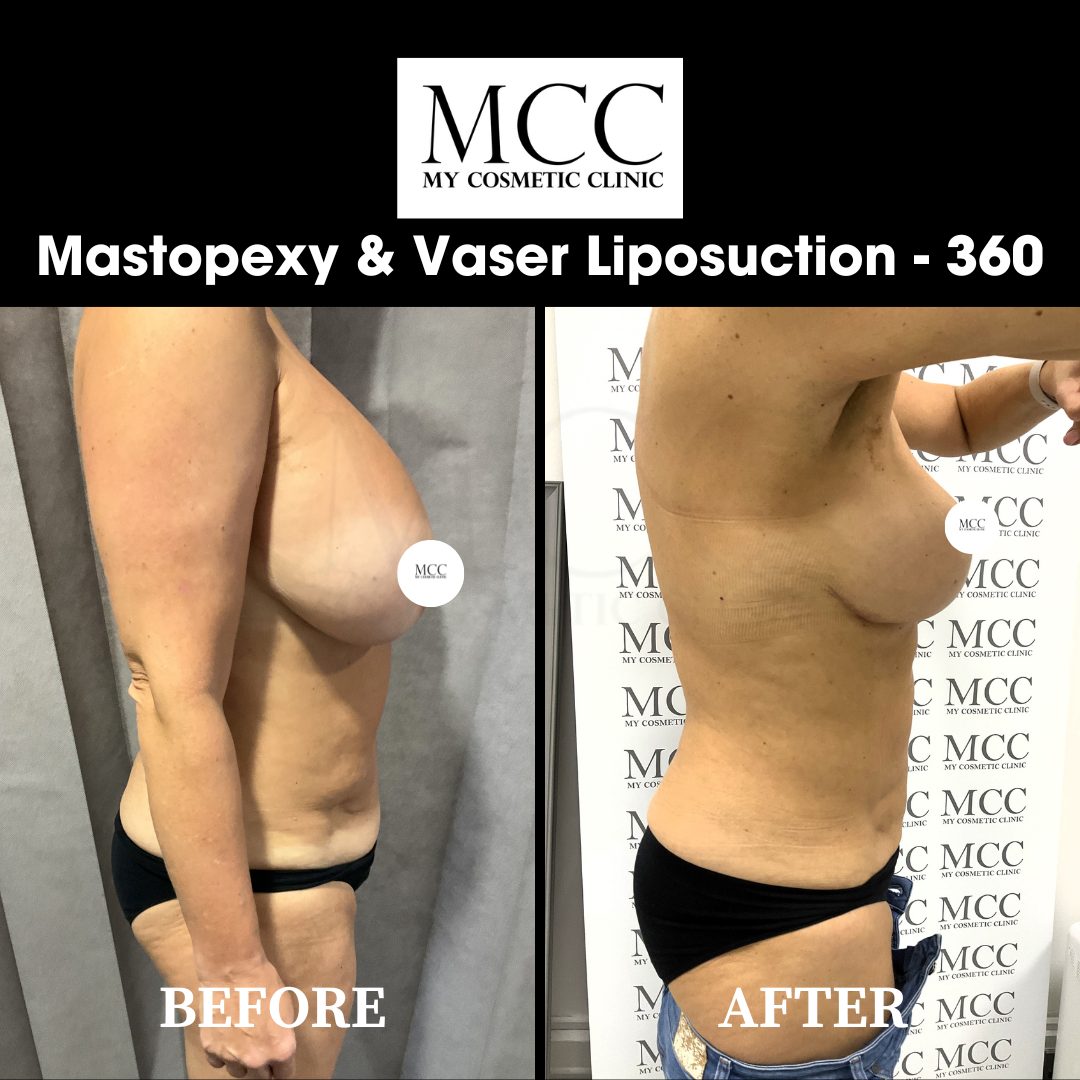
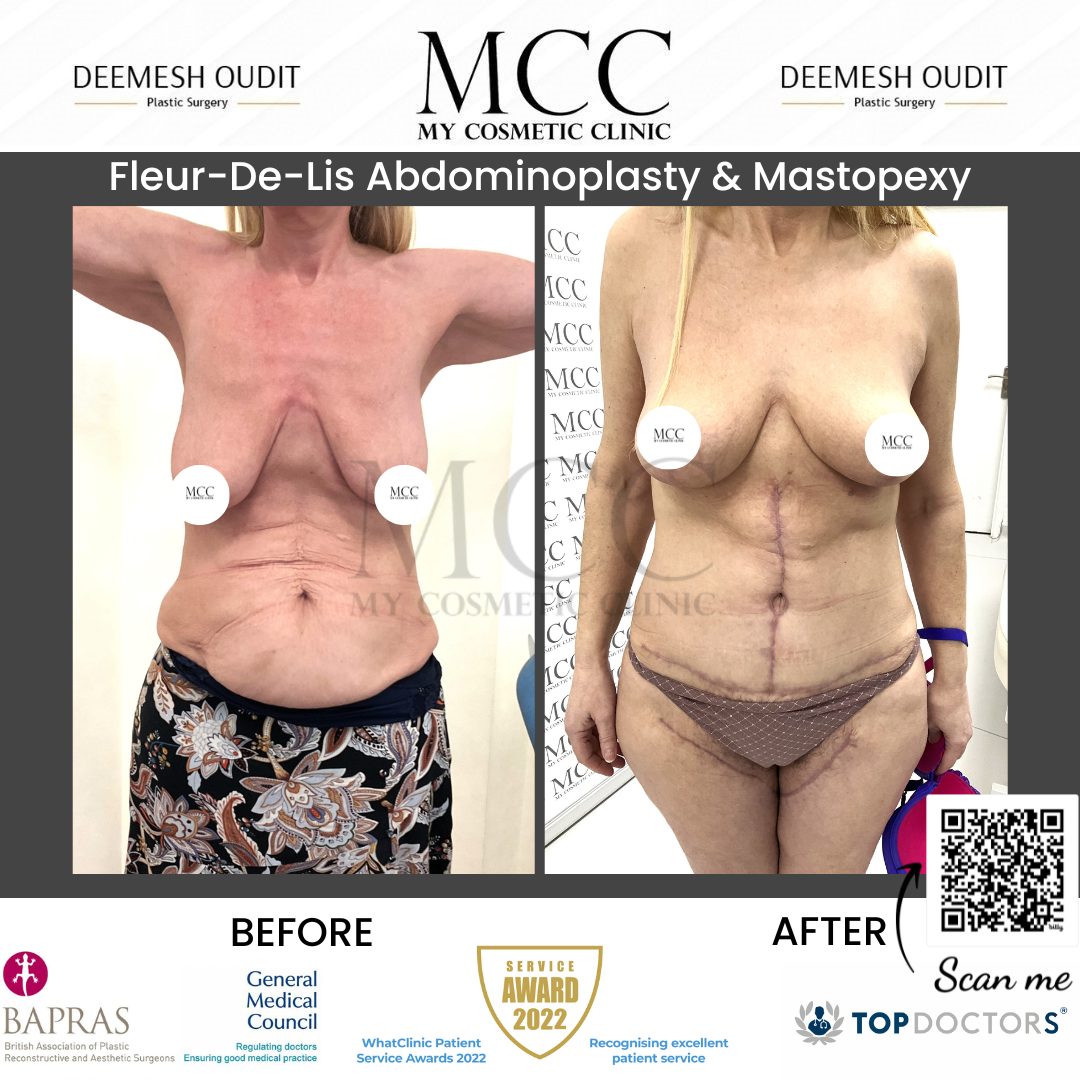
Before & After
See the difference Breast Uplift (Mastopexy)
has made for our clients